JBERD CABINS & CAMPGROUND
JBERD Field Station
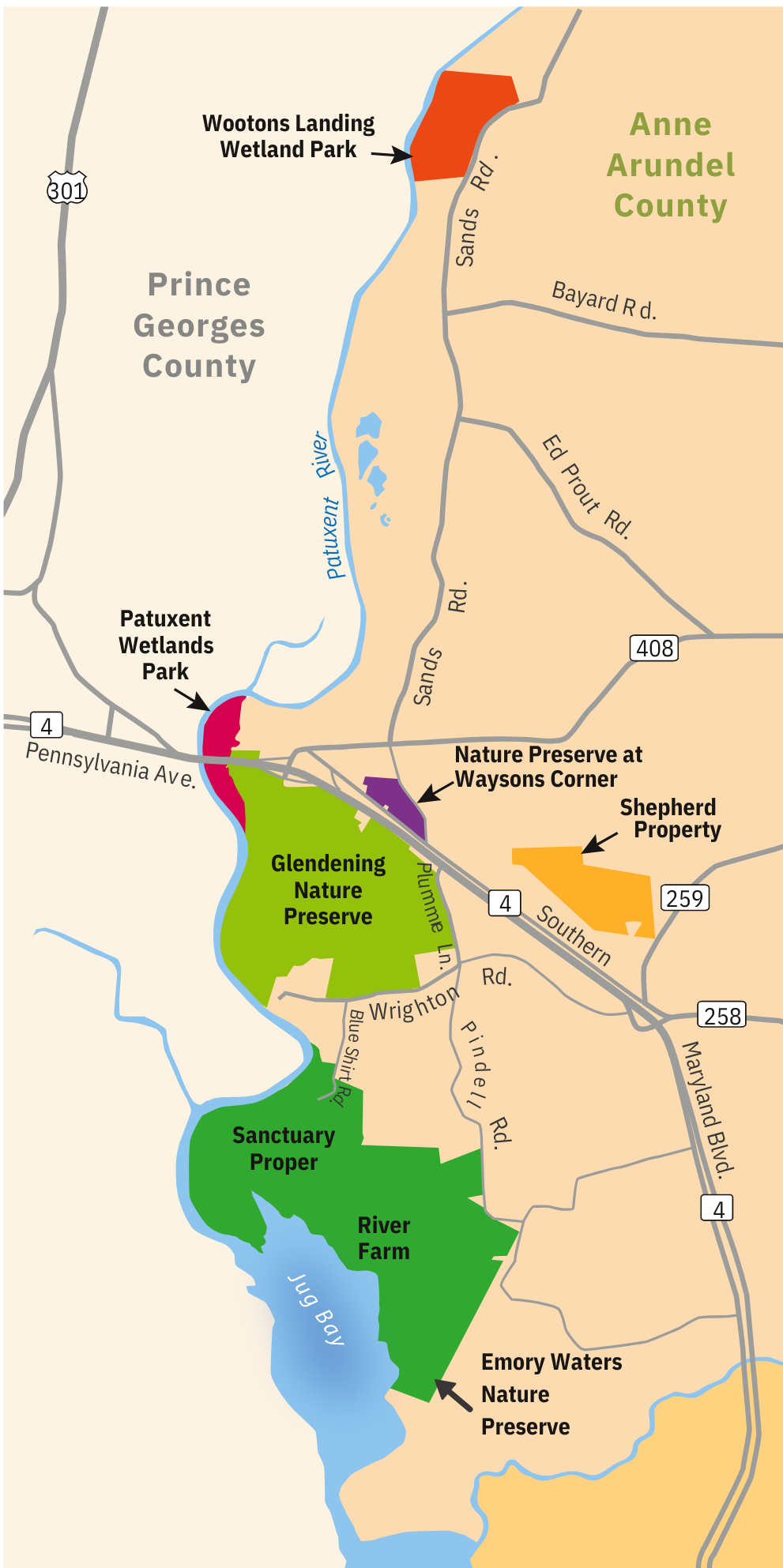
The Jug Bay Education, Research, and Discovery (JBERD) Field Station is the first of its kind in Anne Arundel County. It provides overnight facilities (cabins and campground) to support Sanctuary goals on environmental protection, research and monitoring, outdoor education, stewardship, and passive recreation. JBERD is located in the Jug Bay Emory Waters Nature Preserve. This property is part of the Sanctuary Proper and a complex of properties that comprise the overall Jug Bay Wetlands Sanctuary.
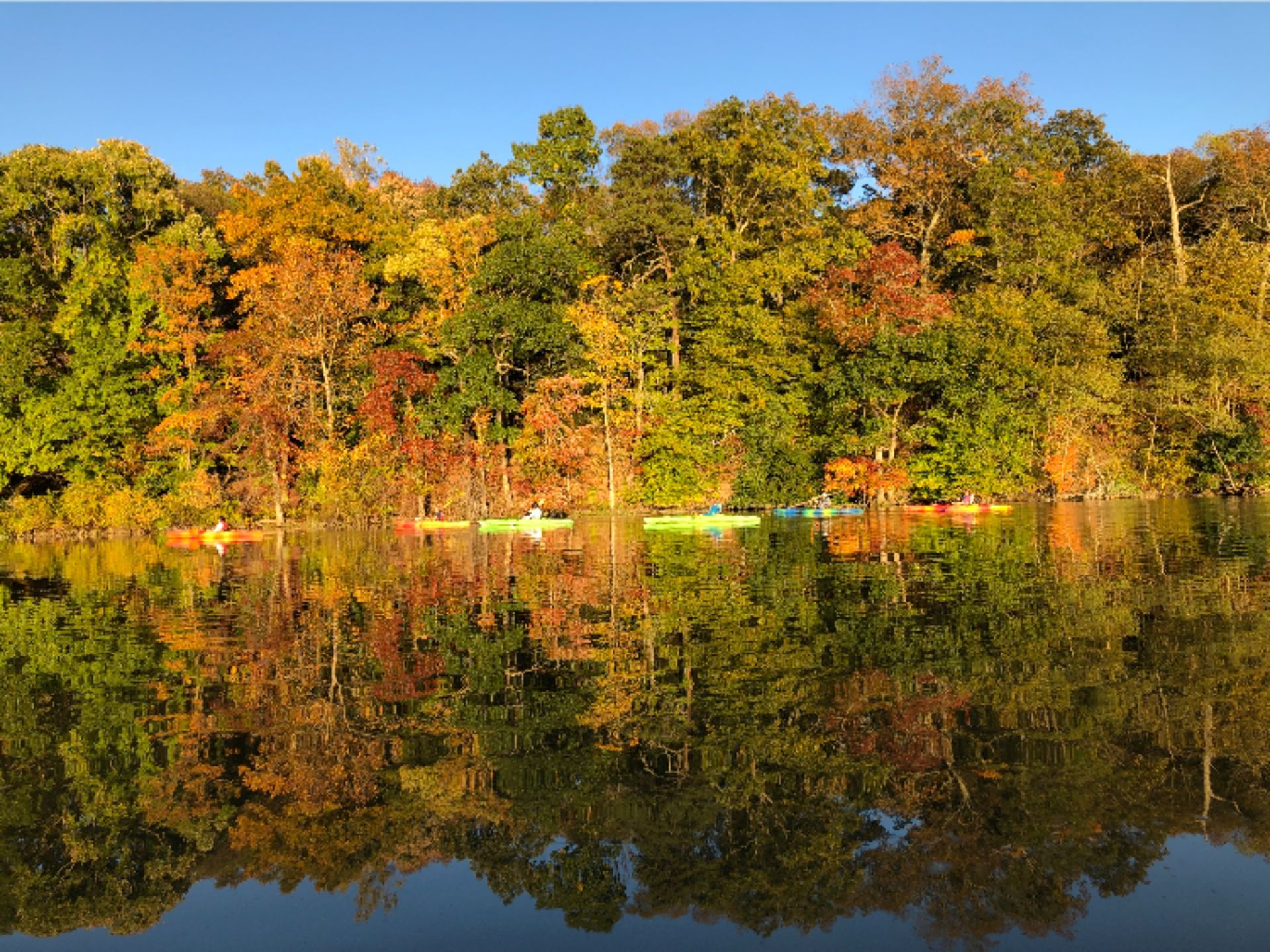
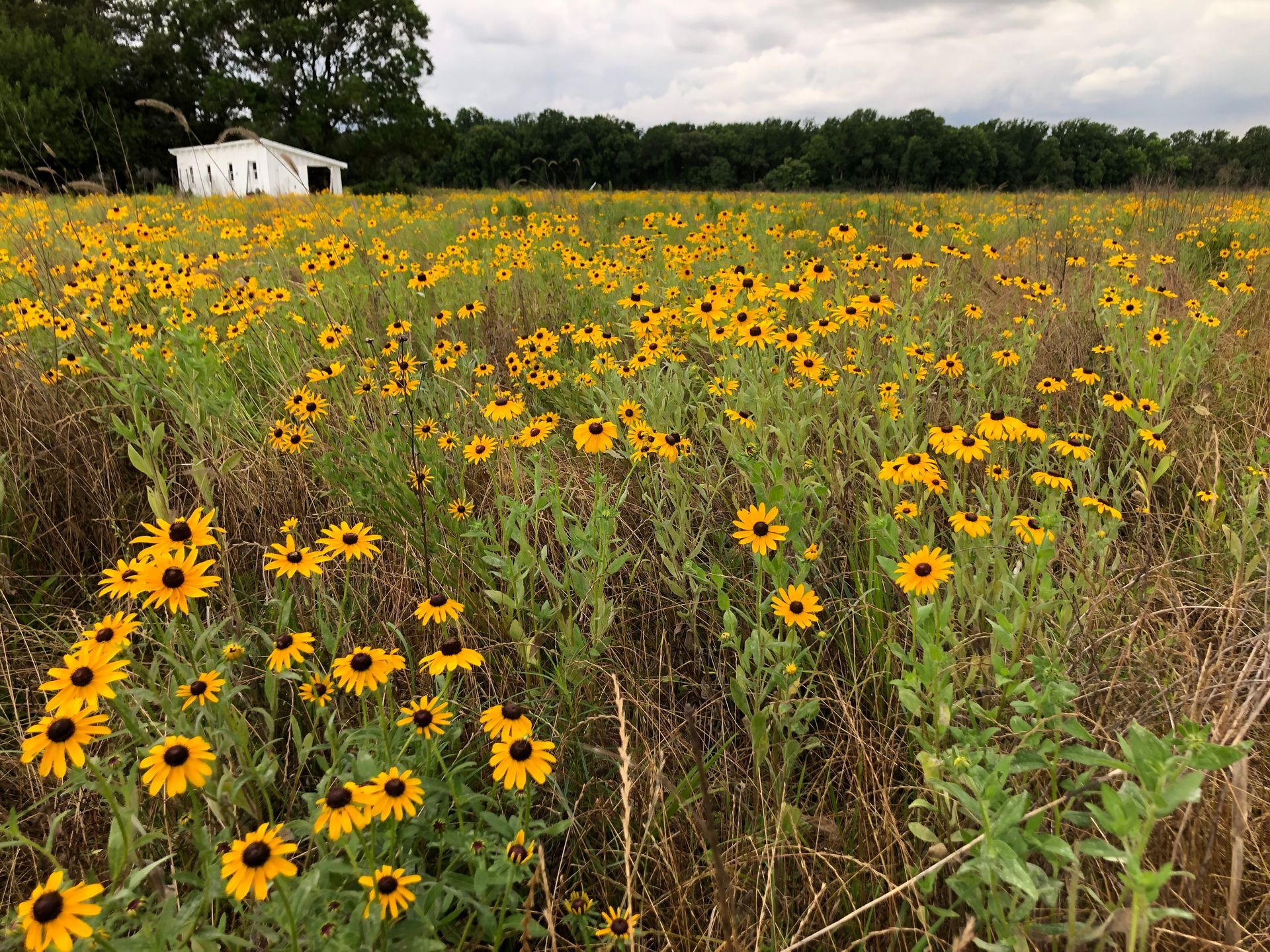
Emory Waters Nature Preserve is a 307-acre parcel of land comprising upland forests, a newly reforested forest, newly established pollinator meadows, several small creeks, and a rich cultural heritage. It also provides access to the shallow Jug Bay tidal freshwater marshes along the Patuxent River.
This property was named to honor the life and cultural heritage of Mr. Emory Waters and all African Americans who worked and lived within Jug Bay and the Patuxent River Watershed. The son of an enslaved woman, Mr. William Emory Waters (1877-c. 1950) owned and lived in a half-acre parcel of land east of Emory Landing, found at the extreme north end of the Jug Bay Farm Preserve (known during his time as the Patuxent Fishery). A tobacco and corn farm laborer, handyman, fisherman, logger, and waterfowl hunter, Mr. Waters knew a “better way to do most everything”. He worked in the tobacco fields and as a waterman for 30 years.
About JBERD Field Station
Located at Jug Bay Wetlands Sanctuary, in southern Anne Arundel County, along Maryland’s Patuxent River, and next to one of the largest tidal freshwater marshes on the US East Coast, JBERD Field Station will support the next generation of environmental protection, research and monitoring, outdoor education, stewardship, and passive recreation activities to be conducted by the Sanctuary and its partners. JBERD is an ideal location for:
Studying Nature
Facilitate and catalyze research, citizen science, and science communication on emerging local, priority issues to conserve a healthy representation of Maryland’s major natural communities. And to advance the knowledge on best practices for land and habitat management through field experimentation.
Teaching About Nature
Grow leaders in the art of environmental education through hands-on research-based learning opportunities for teachers.
Learning About Nature
Promote scientific inquiry for learners at all levels by providing programs and a place for immersive, experiential learning.
Enjoying Nature
Provide a safe and healthy mosaic of natural communities for everyone to enjoy, explore, and restore.
Visitor Information
JBERD Field Station - Cabins and Campground at Jug Bay Emory Waters Nature Preserve
6034 Pindell Road, Lothian MD 20711
JBERD is located about three miles or 10 minutes from the Sanctuary Proper’s Visitor Center. The entrance to Emory Waters Nature Preserve is gated. The parking lot is located about 0.6 miles following the gravel road.
Please drive slow (speed limit 15 mph) and watch for wildlife on the road
No pets allowed
Ranger Station
The ranger station is staffed daily from 9:00 am to 5:30 pm. However, at times staff may be working on the Field Station grounds, patrolling other properties, or completing other tasks.
Please visit the Ranger Station to/for:
- General information about reservations and programming.
- Support during check-in and/or check-out from your stay.
- Report any issues.
- Purchase firewood (using a QR code system established by the Friends of Jug Bay).
- Borrow trail maps, the orienteering activity map, board games, books, and other nature interpretative materials.
- Borrow wagons to carry materials and equipment from the parking lot to the cabins and/or walk-in campground.
- Provide feedback.
Contact us:
Kara Bourland, Management Assistant (rpbour26@aacounty.org)
Park Ranger on duty: (443) 758-7849)
At JBERD Field Station, we follow the
As an overnight guest or daily visitor JBERD offers a beautiful setting for exploring nature, but also relaxing. You can enjoy hiking and wildlife watching on your own through the forest and meadow habitat, or joining an scheduled guided hike or paddle program to explore the Park and the Patuxent River. Either way, we hope you have a wonderful stay and experience!
Hiking - Trail Maps
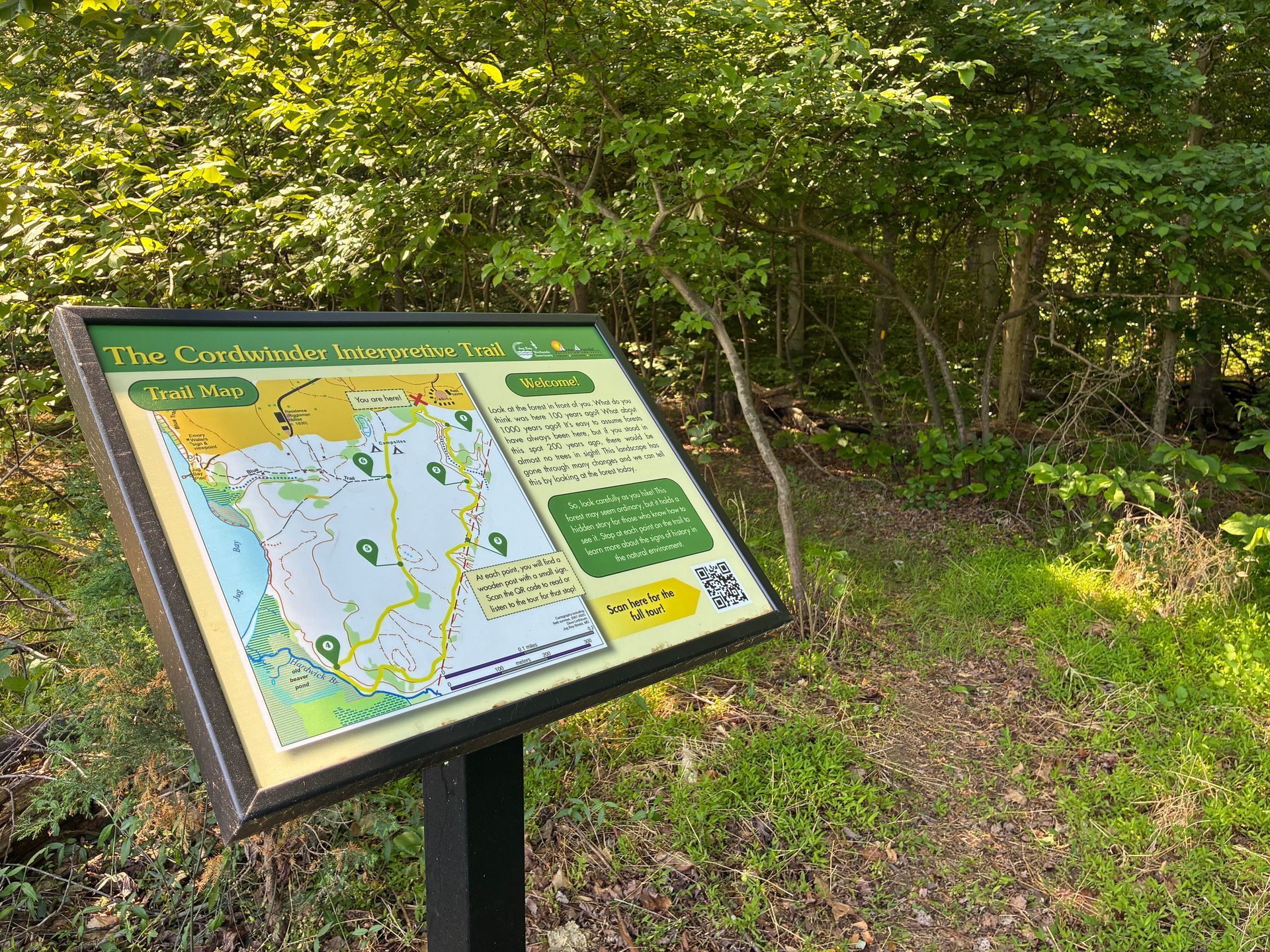
JBERD day visitors and overnight guests can enjoy available hiking trails within the Jug Bay Emory Waters Nature Preserve, but also connect to the Sanctuary Proper trail network.
Trail Maps
Hiking with a Purpose
- Borrow a laminated Orienteering Activity Map from the Ranger Station. Please bring it back once you complete the activity.
- Make sure to read all the interesting information posted at the different stops of the interpretive Corwinder Trail.
Cartop Launch Area
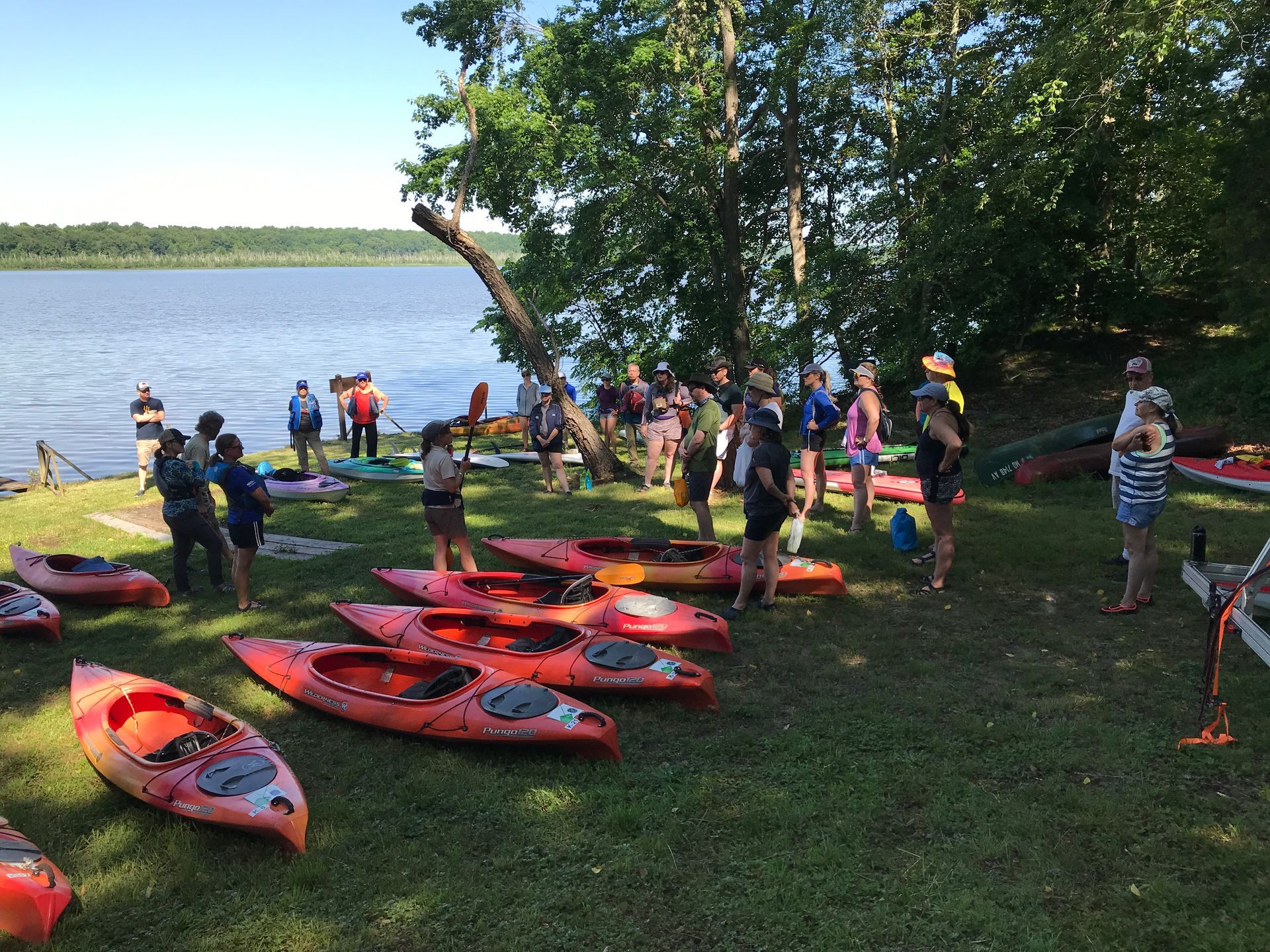
JBERD day visitors and overnight guests have access to a small launch area for personal canoes, kayaks, or stand-up paddleboards (SUP). Cars can follow the gravel road to the water to unload and load your watercraft. Parking at or around the launch area is not allowed.
Safety
When going on the water, please:
- Have your life jacket properly fastened.
- Carry water; don’t forget sunblock and a hat.
- Do not launch your watercraft if winds are 16 mph or higher.
- Do not launch your watercraft if the combined water and air temperature is lower than 120 F.
The area around the launch area is shallow during low tide. Therefore, for a more enjoyable experience, we recommend launching your watercraft during high tide. You can check the Patuxent River tide table HERE!
Programs
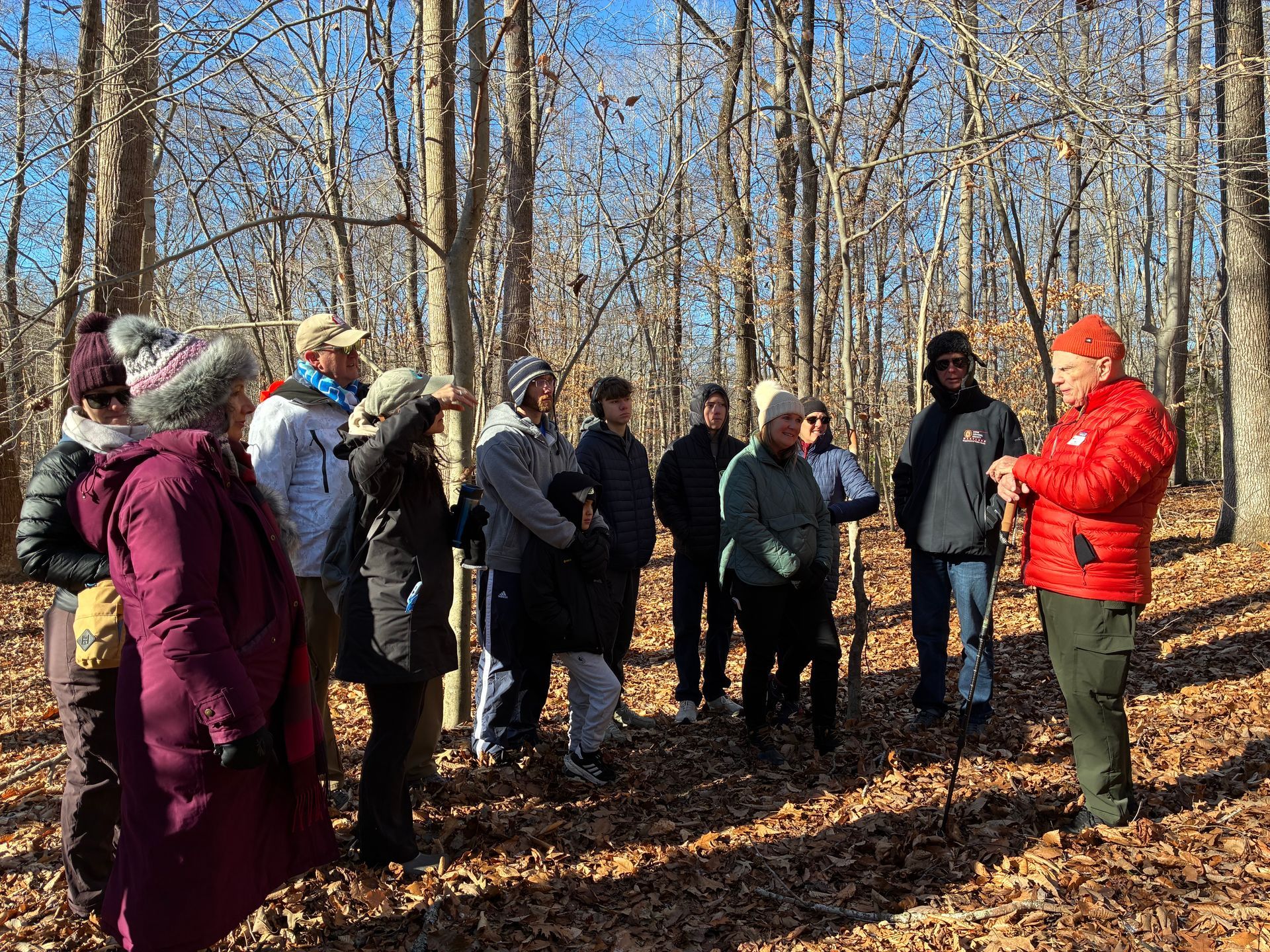
JBERD day visitors and overnight guests can register and participate in scheduled public programs posted in the Sanctuary’s calendar of events HERE.
Pavilion and Fire Ring
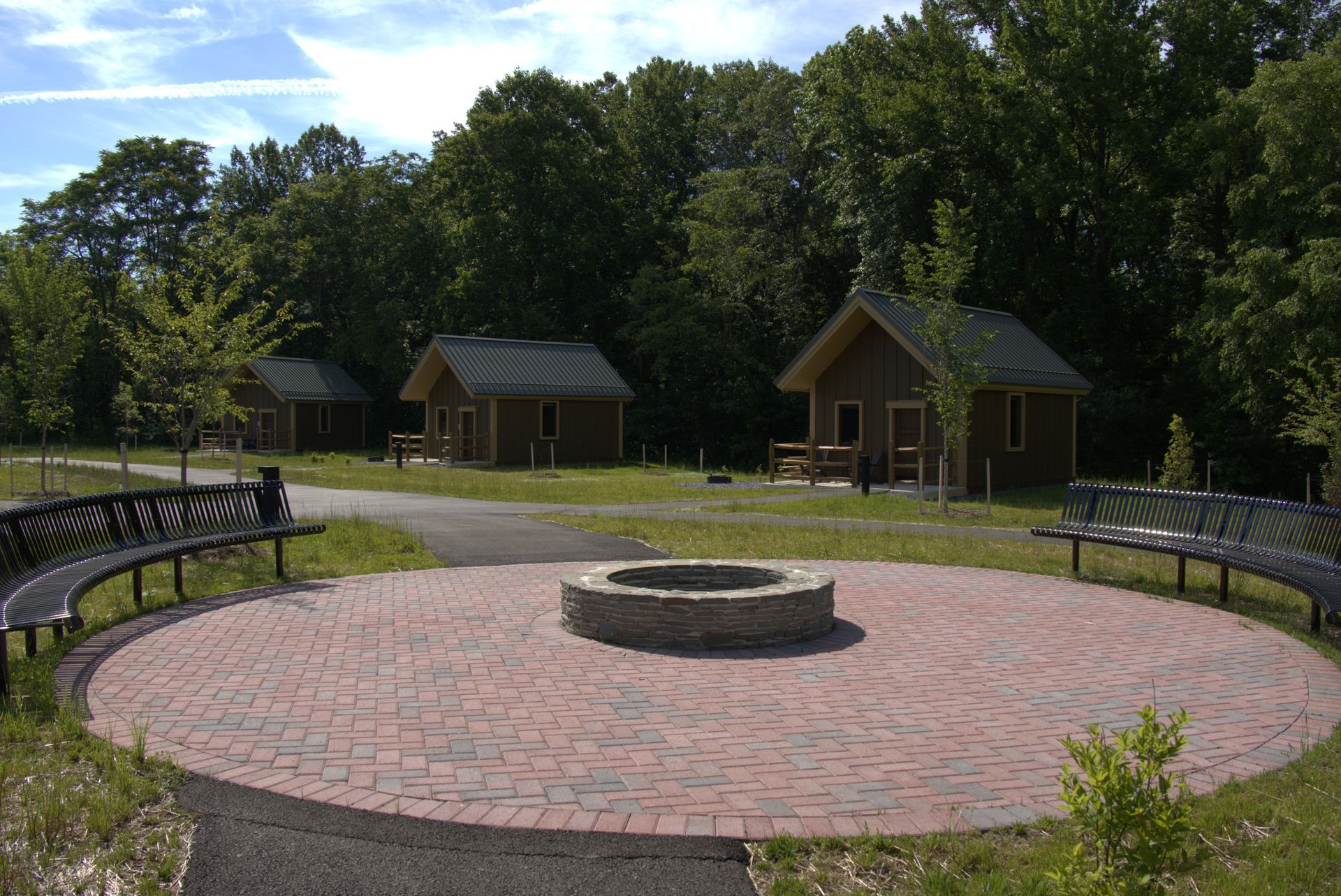
A nearby pavilion and group fire ring are available for cabin and campground occupants and day visitors. Use of the space is on a first-come, first-served basis.
Restroom Facility
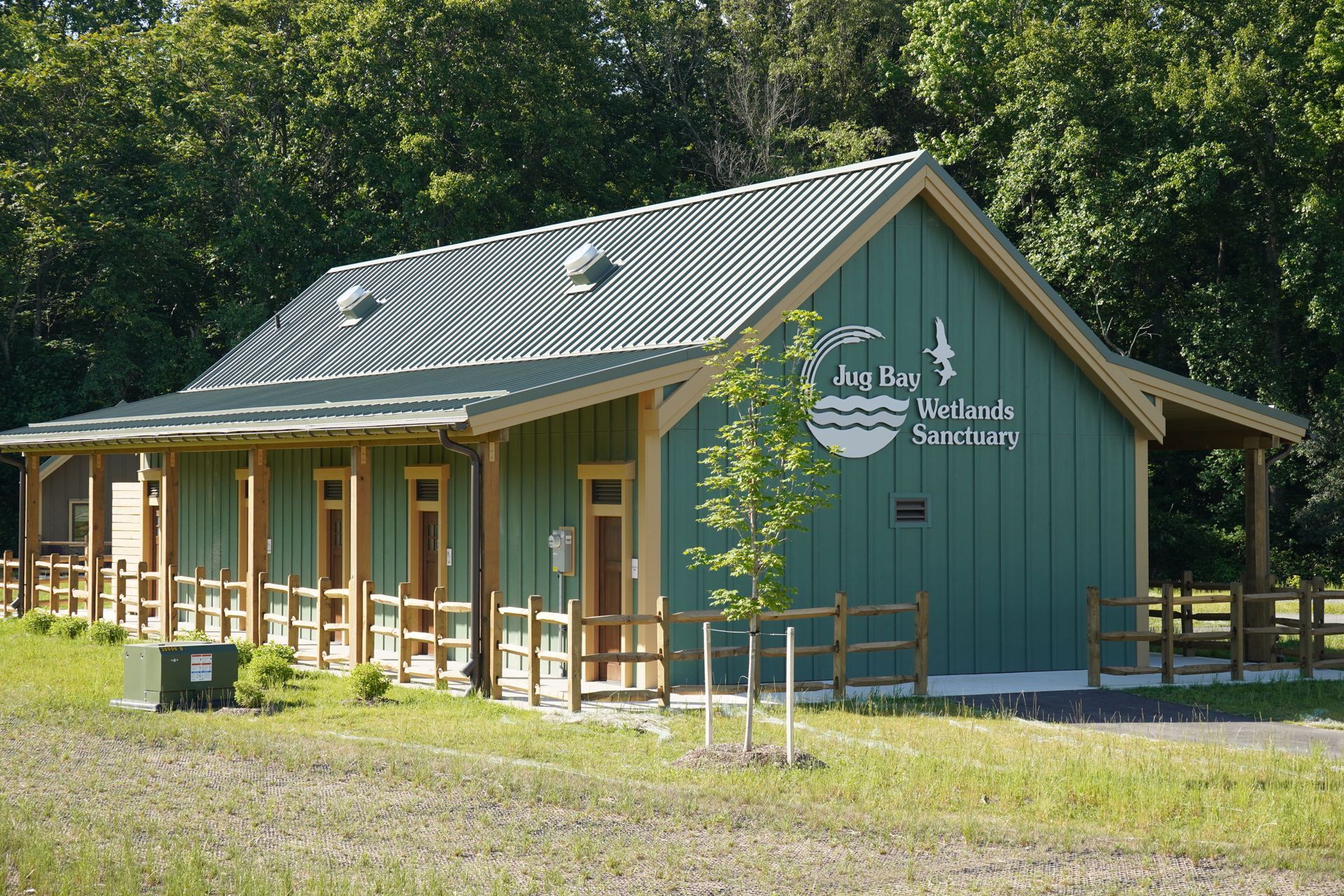
Modern restroom facilities areavailable to all users. This includes a family restroom, individual showers, and flush toilets. It also has an outdoor open shower area, outdoor sink, and water bottle filling station.
The outdoor sink provides the ONLY space to wash dishes. No dish washing is allowed inside the restroom facility.